Start your brand · 2 min read
Big Idea, Small First Batch: A New Founder’s Guide to Buying Ingredients
Plan your first ingredient order with a clear trial brief, sensible quantities and a specification you can repeat.

Start with the question, not the kilogram
Your first ingredient order can feel like a vote of confidence in your business. It can also become an expensive cupboard of unfinished ideas. Before asking for a bulk price, write down what the next batch must teach you. Are you comparing two flavours, checking a tea bag’s performance or finding a texture customers enjoy? A focused experiment makes a small order useful.
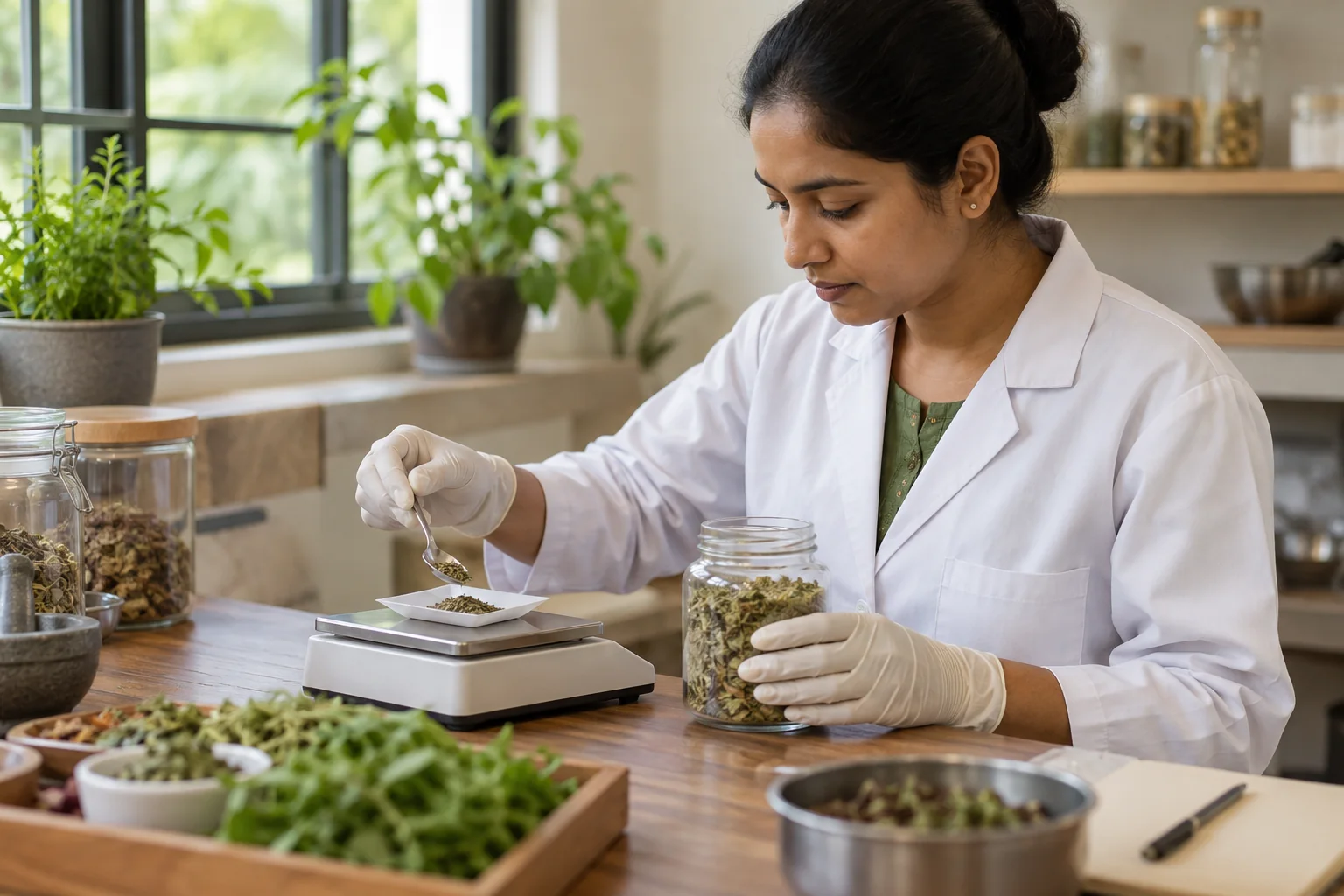
Imagine developing a hibiscus and ginger infusion. You might need enough material for several recipe trials, a small tasting session and a repeat batch using the winning formula. List these uses separately and allow for realistic processing losses. The point is not to buy the smallest possible amount. It is to buy an amount you can evaluate carefully and store properly.

Make the sample relevant to production
Send a brief with the ingredient name, plant part, preferred form, intended product, destination market and expected trial quantity. Whole hibiscus, tea bag cut hibiscus and a fine powder will behave differently in preparation. Ask whether the sample represents the specification and supply route proposed for your later order. A beautiful sample is less helpful if you cannot reorder comparable material.
Keep notes on the batch reference, recipe weight, preparation time, sensory observations and packaging used. Photograph the trial and record what changed between versions. When a result works, you will have something more useful than “we liked sample two”: a repeatable starting point to discuss with your supplier.
Protect your first-batch budget
Compare the delivered cost, not only the quoted ingredient price. Include freight, taxes where applicable, sample charges, packaging, testing and the cost of unused stock. A larger order can lower a unit price while increasing the amount of cash waiting on your shelf. Minimum quantities and lead times can also vary by ingredient, organic programme and processing requirement; confirm them for your particular enquiry.
Before approval, agree the specification, documents required, acceptance process and what happens if the material does not match. Choose one or two launch priorities rather than a catalogue of experiments. Root2Leaf’s ingredient and private-label conversations can begin with that brief, with availability and commercial terms confirmed by quotation. Your first batch should leave you with clearer decisions, useful evidence and a sensible next step—not pressure to launch before the product is ready.
Buy enough to answer your next product question—not simply enough to reach a lower price.
Reading & editorial references
- Root2Leaf company brochure: ingredient development, sample approval and private-label process.
Keep your curiosity growing.
All stories ↗
Before You Buy the Ingredient, Ask for the Evidence
Understand specifications, batch reports and certification scope before approving a botanical ingredient.
Read the story
From Trending Ingredient to Launch-Ready Product: What Should You Check First?
Move from an exciting ingredient idea to a useful product by checking taste, format, evidence, rules and repeatability.
Read the story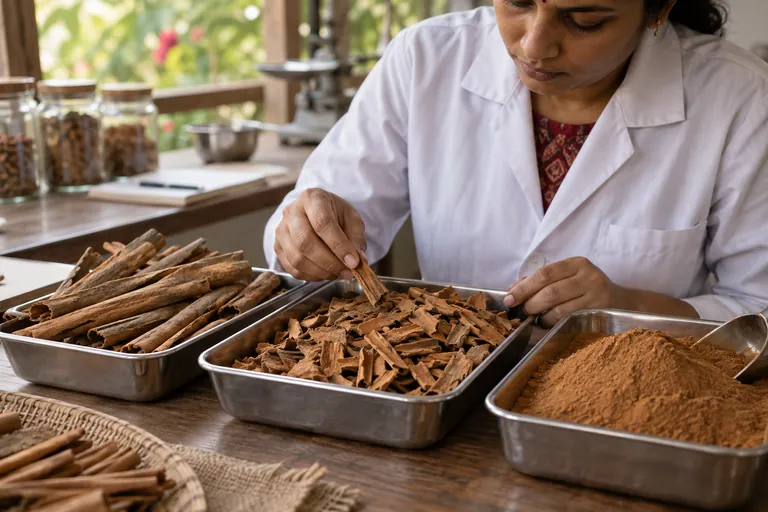
Same Ingredient, Different Results: Why Cut, Grind and Quality Matter
Whole, coarse cut, tea bag cut and powder have different jobs. Match the form to the recipe and process.
Read the story