
Product development · 2 min read
From Trending Ingredient to Launch-Ready Product: What Should You Check First?
Move from an exciting ingredient idea to a useful product by checking taste, format, evidence, rules and repeatability.

Begin with a real moment in someone’s day
A colourful drink on social media can spark a business idea in seconds. Turning that idea into a product takes a different kind of curiosity. Who will use it, when will they use it, and what makes the experience worth repeating? “An afternoon infusion that is easy to prepare” is a more useful brief than “something with a trending botanical”.
Choose a small set of practical priorities: flavour, preparation time, pack format, target price and the customer’s usual routine. Ingredients such as hibiscus, ginger and moringa offer distinct sensory possibilities, but they are not interchangeable and they do not need a dramatic health promise to be interesting. Describe the experience you want before assembling a long list of ingredients.

Check suitability before investing in the story
Confirm the precise ingredient identity, plant part and intended use in your target market. A plant appearing in a traditional reference, a competitor’s product or a research paper does not by itself establish permission for every food category or claim. India’s FSSAI has a specific approval framework for non-specified foods and ingredients. Have a qualified reviewer establish what applies to your proposed formula and presentation.
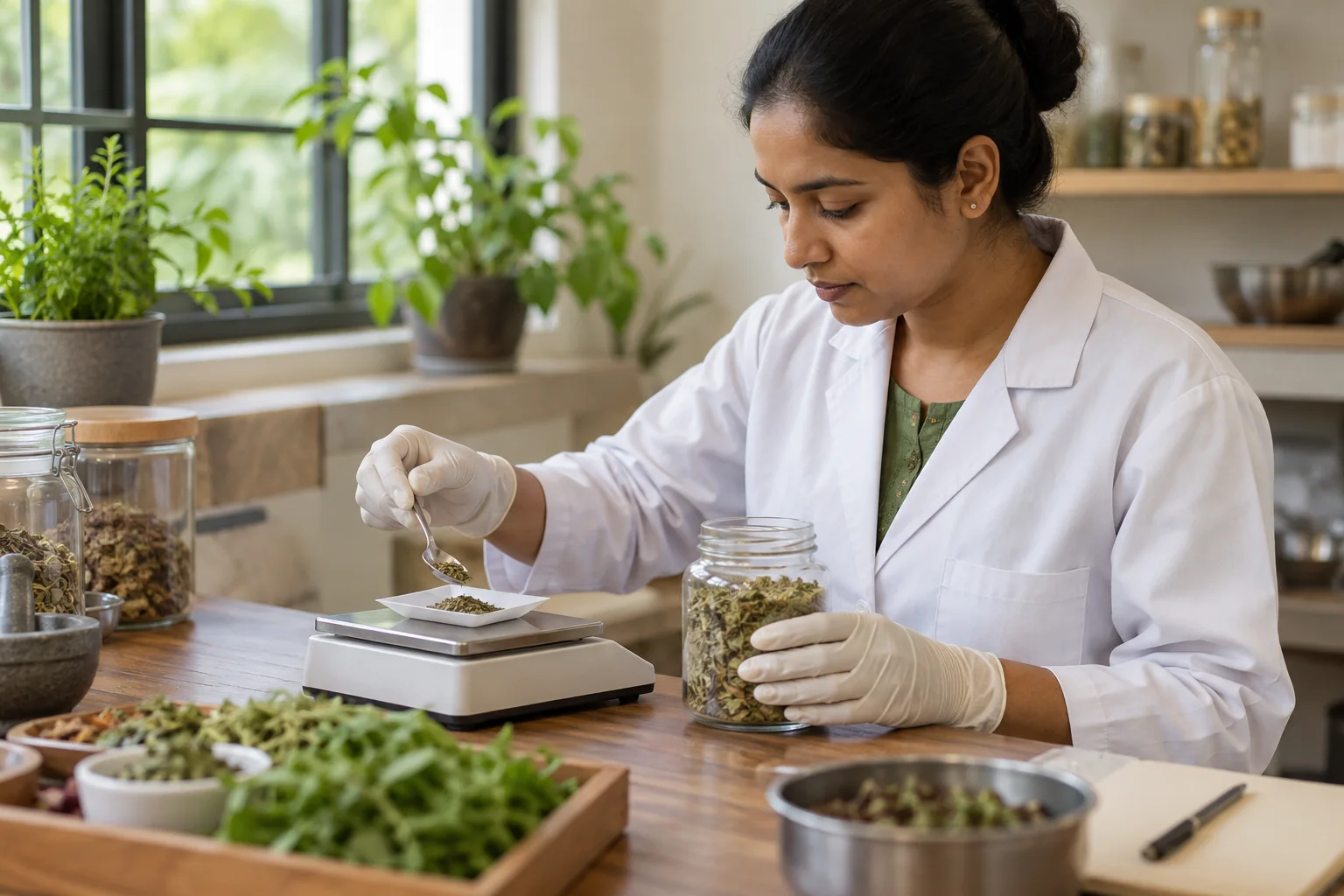
Next, run manageable trials. Does the material disperse, infuse or settle? Does its flavour become too strong when the preparation time changes? Does the chosen cut work with the filter or filling equipment? Record both the appealing result and the inconvenient one. A product needs to work in an ordinary kitchen, not only in a carefully styled photograph.
Build a launch gate, not a rush to launch
Test your preferred formula in the proposed pack and under realistic handling conditions. Packaging compatibility and a properly designed shelf-life assessment need their own attention; an ingredient’s shelf life is not automatically the finished product’s shelf life. Confirm label wording, allergen considerations, storage instructions and the evidence behind any permitted statements before artwork is approved.
For a private-label enquiry, share the intended market, formula direction, format, quantity range and what you have already tested. Root2Leaf’s development process brings ingredient selection, samples and packaging into the same conversation. Agree responsibilities and approvals in writing. A useful final checkpoint asks whether the product tastes right, can be made consistently, is appropriately documented and makes an honest promise. That is how an idea becomes a product customers can understand and return to.
A good trend earns a place in a product only when the product works for the person buying it.
Reading & editorial references
- Food Safety and Standards Authority of India. Approval for Non-Specified Food and Food Ingredients Regulations, 2017, and non-specified food guidance.
- Root2Leaf company brochure: formulation, samples and packaging development.
Keep your curiosity growing.
All stories ↗
Big Idea, Small First Batch: A New Founder’s Guide to Buying Ingredients
Plan your first ingredient order with a clear trial brief, sensible quantities and a specification you can repeat.
Read the story
Before You Buy the Ingredient, Ask for the Evidence
Understand specifications, batch reports and certification scope before approving a botanical ingredient.
Read the story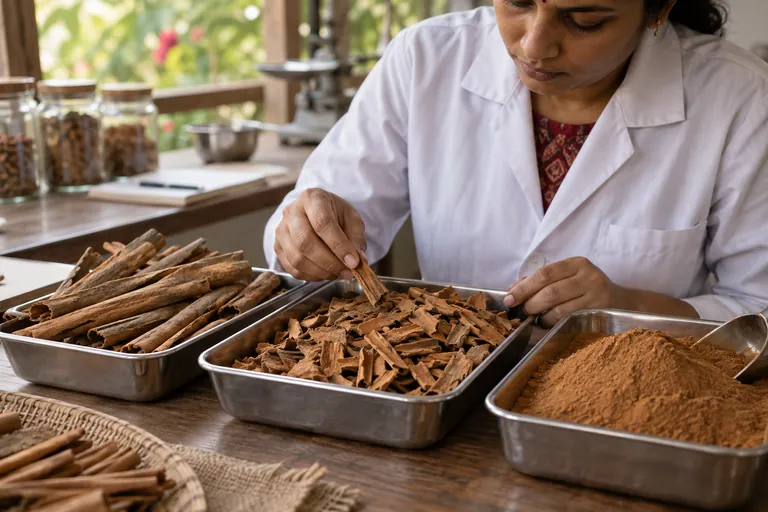
Same Ingredient, Different Results: Why Cut, Grind and Quality Matter
Whole, coarse cut, tea bag cut and powder have different jobs. Match the form to the recipe and process.
Read the story