Quality & trust · 2 min read
Before You Buy the Ingredient, Ask for the Evidence
Understand specifications, batch reports and certification scope before approving a botanical ingredient.

A reassuring PDF is only the beginning
A folder full of certificates can make a supplier look organised. It does not automatically tell you whether the material arriving at your door is suitable for your product. Start with the questions the documents must answer: what is this ingredient, which part of the plant is supplied, what specification has been agreed and what evidence applies to this batch?
For a botanical such as moringa, the common name alone is not a complete purchasing description. Record the botanical identity, plant part, form and intended application. WHO’s Quality control methods for herbal materials explains approaches to identity and quality assessment. It is a useful technical foundation, not a universal food specification or proof that every listed test applies to every product.

Know what each document can tell you
A specification describes the requirements you have agreed. A certificate of analysis, or COA, reports results or conformity for the material it identifies; check the batch, date, methods and units. A certificate may describe a management system or an organic programme, with a particular entity, scope and validity period. These documents answer different questions and should not be treated as interchangeable.
For example, an organic certificate does not replace a batch-specific review of the tests your product and market require. A generic safety document is not a substitute for food suitability. Ask a qualified quality or regulatory professional to establish the applicable microbiological, contaminant and other acceptance criteria. Avoid copying limits from an unrelated herb, plant part, market or historical monograph.

Build a small, usable approval record
Create one clear record containing the approved supplier, material description, specification version, sample decision, required documents and person responsible for approval. Note any unresolved question before issuing the purchase order. When the batch arrives, match its identity to the documents rather than assuming last month’s paperwork covers this delivery.
Root2Leaf’s customer document centre lets signed-in customers select up to five document types per request. Choose the files needed for your next decision, explain the product and application, and let the team confirm availability and release the relevant Root2Leaf documents. Keep a record of what was reviewed and why. The goal is not an impressive download folder. It is a purchasing decision your team can explain, repeat and revisit when a specification or requirement changes.
A document is useful when it matches the ingredient, batch, intended use and decision in front of you.
Reading & editorial references
- World Health Organization. Quality control methods for herbal materials. 2011.
- Root2Leaf customer document centre: request and review workflow.
Keep your curiosity growing.
All stories ↗
Big Idea, Small First Batch: A New Founder’s Guide to Buying Ingredients
Plan your first ingredient order with a clear trial brief, sensible quantities and a specification you can repeat.
Read the story
From Trending Ingredient to Launch-Ready Product: What Should You Check First?
Move from an exciting ingredient idea to a useful product by checking taste, format, evidence, rules and repeatability.
Read the story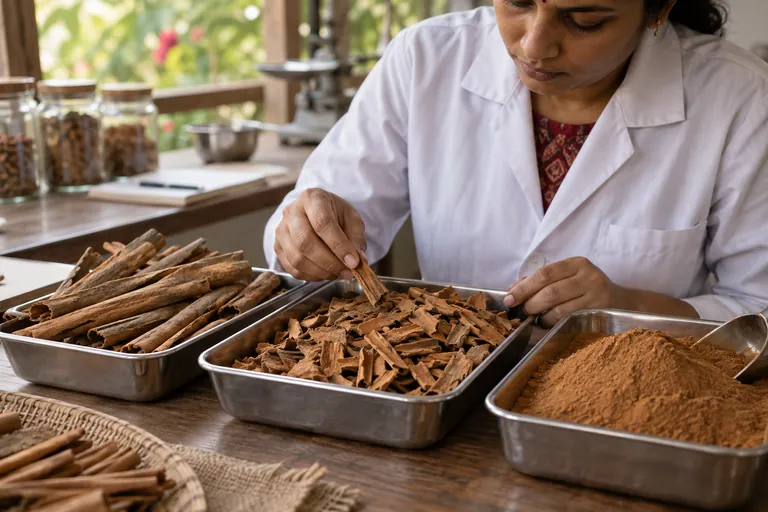
Same Ingredient, Different Results: Why Cut, Grind and Quality Matter
Whole, coarse cut, tea bag cut and powder have different jobs. Match the form to the recipe and process.
Read the story